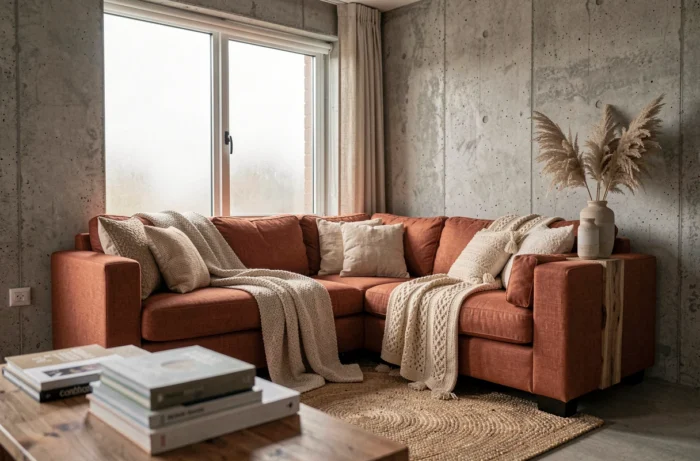
A cushion replaced, a wall repainted in a warmer shade, a lamp moved a few feet: interior design often changes through small gestures. This season’s home decor trends confirm this approach. They favor reclaimed materials, color used as a way to define spaces, and collections of objects assembled over time rather than matching sets bought all at once.
Color and zoning: define a room without moving a single piece of furniture
Have you ever noticed that a living room seems larger when one wall is a different color from the rest? Color isn’t just about creating a mood. It can visually define different areas within the same room.
A painted section behind a sofa sets apart a reading nook. A dark shade on the far wall of a hallway changes how deep it appears. These effects require no partitions or major renovations—just a can of paint and a roller.
This season, palettes revolve around earthy tones (clay, ochre, rosy brown) and muted greens. The idea isn’t to follow a fashionable color, but to use color to give each nook a purpose. For example, painting a wall halfway up visually lowers an overly high ceiling and makes the room feel more intimate.
For more seasonal inspiration, the CallMeSpring home decor and trends website explores several color combinations suited to today’s interiors.
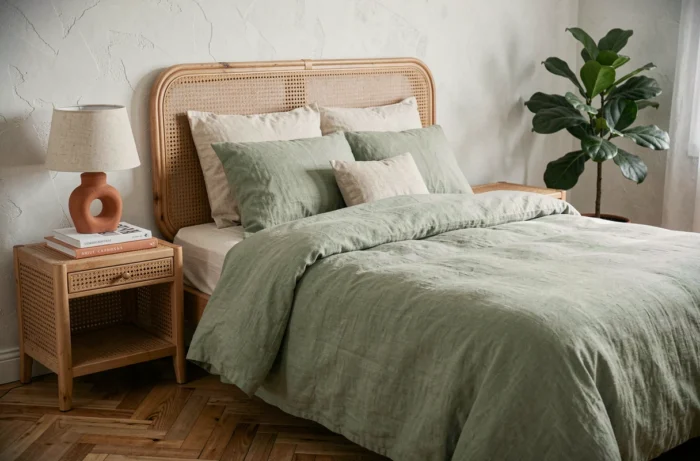
Home decor trends for renters and smaller budgets
Following trends when you rent your home or have limited funds comes with one specific constraint: every change must be reversible. The good news is that this season’s leading decor trends are perfectly suited to these limitations.
Textiles and lighting as key design tools
A heavy linen curtain, a hemp cushion cover, a chunky wool throw for the sofa: these pieces can change the perceived texture of a room in just a few minutes. Textiles remain the most affordable way to change the feel of a living room or bedroom.
When it comes to lighting, adjustable fixtures (adjustable pendant lights, dimmable lamps) let you create different moods without altering the existing electrical setup. Changing the color temperature of the light can transform a space as much as a fresh coat of paint.
Removable wall accessories
Adhesive mounting systems can now support a reasonable amount of weight for frames, mirrors and shelves. A gallery wall of mismatched frames hung at different heights adds character to a hallway without drilling holes. When you move out, simply peel them off, remove any residue, and the wall is back to its original condition.
- Washi tape or colored masking tape for creating temporary geometric patterns on a white wall
- Mirrors in different sizes grouped on one wall to make a narrow entryway look larger
- Hanging plants with adhesive hooks to add volume without taking up floor space
Reuse and vintage furniture: a decor style that takes shape over time
The most successful interiors this season have one thing in common: they don’t come from a single catalog. Reuse has become an aesthetic choice as well as an eco-friendly one. A 1970s armchair sits alongside a contemporary coffee table, and it’s precisely this contrast that gives the space its character.
At flea markets, reuse centers and secondhand platforms, you can find solid wood furniture for far less than the price of new pieces. Sanding and waxing an oak sideboard can transform a dining room. A repainted workshop chair adds an industrial touch to a home office.
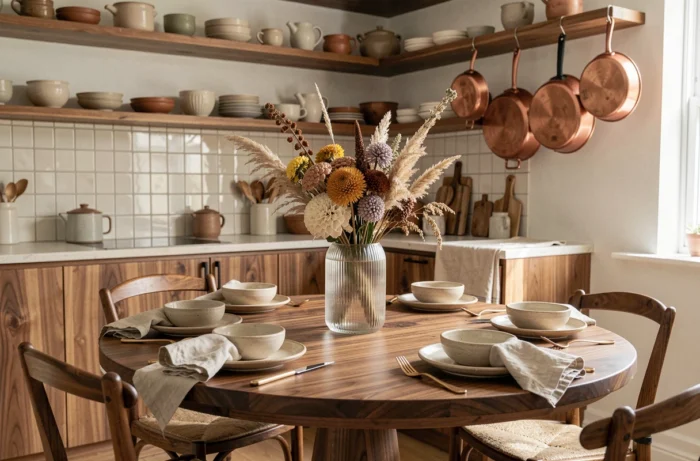
This approach reflects a broader trend: putting an interior together over time rather than buying everything at once. Add an object found here, remove an accessory you’ve grown tired of there. The result reflects a personal journey, not a static display.
Furniture repairability: a factor to consider from the outset
In November 2026, the European Commission launched a preparatory consultation on product repairability, including access to spare parts and disassembly information. This regulatory signal has direct implications for furniture.
Before buying a new piece of furniture, it’s worth checking whether the manufacturer offers replacement parts (legs, hinges, handles). Repairable furniture lasts longer and costs less over time. Brands that provide information about the availability of spare parts offer a tangible advantage over those selling disposable products.
Living room and coffee table: decor accessories that can transform a room this season
Transforming a living room doesn’t necessarily mean replacing the sofa. A few well-chosen accessories are enough to give the space a fresh look.
- Grouped candles on a raw wood tray create a focal point on a coffee table
- A handmade ceramic vase placed on its own on a shelf draws the eye more effectively than a collection of objects
- A rug in warm tones beneath the coffee table brings the seating area together and softens the room’s acoustics
- Mismatched cushions in natural materials (linen, woven cotton, jute) replace uniform synthetic covers
A carefully curated collection works better than an abundance of decor. Two or three standout pieces chosen for their material or shape add more style than a dozen small decorative objects scattered around the room.
This season’s home decor trends share a common thread: prioritizing materials, light and composition over replacing all the furniture. An interior that evolves gradually, with reversible choices and secondhand finds, gains personality without requiring a big budget or major renovations.