Choosing a vehicle in 2026 is no longer just a matter of comparing powertrains or list prices. The Euro 7 standard, low-emission zones and the actual condition of used batteries introduce technical criteria that carry as much weight as the budget in the buying decision—and also change how you maintain your car day to day.
Euro 7 standard and LEZs: comparing criteria for buying a new vehicle
The Euro 7 standard is no longer limited to exhaust emissions. For the first time, it also covers particulate emissions from tyres and brakes, including on electric cars. The timeline sets two deadlines for passenger cars and light commercial vehicles.
| Criterion | Euro 7 – new types | Euro 7 – new registrations |
|---|---|---|
| Effective date | 29 November 2026 | 29 November 2027 |
| Exhaust emissions | Yes (combustion-engine and hybrid vehicles) | Yes (combustion-engine and hybrid vehicles) |
| Brake and tyre emissions | Yes (all powertrains, including electric) | Yes (all powertrains, including electric) |
| Vehicles already on the road | Not affected | Not affected |
Cars already registered will not be subject to mandatory upgrades. However, when buying a new vehicle, compliance with the Euro 7 standard ensures it will remain eligible under future LEZ access restrictions.
For more information, the articles compiled in Info du Web’s car guide explain the practical implications of these standards when choosing a model.
At the same time, choosing a vehicle for driving in a low-emission zone involves more than just checking its Crit’Air sticker. The exact boundaries of the LEZ, local exemptions and restriction schedules vary from one local authority to another. A vehicle with a Crit’Air 2 rating may be allowed in one city and banned in another, depending on the locally adopted schedule.

Used electric car battery: check its actual state of health
In the used electric car market, buyers are often caught out by confusing the remaining manufacturer warranty with the battery’s state of health (SOH). These two pieces of information are not interchangeable.
The remaining warranty depends on the vehicle’s date of first registration. The SOH, on the other hand, reflects the battery’s actual capacity compared with its original capacity. A vehicle may still be under warranty yet have a degraded SOH if usage conditions have been unfavourable (frequent fast charging, or prolonged storage at full charge).
- Request an SOH diagnostic from a professional using a diagnostic tool compatible with the vehicle’s make—not just a reading from the manufacturer’s app
- Compare the SOH with the mileage: an SOH below 80% on a vehicle less than five years old indicates rapid degradation that could lead to replacement costs
- Check whether the battery warranty covers a minimum SOH threshold (some manufacturers guarantee a minimum level, while others do not)
This check usually costs about the same as a standard diagnostic at an auto service centre. It can help you avoid a purchase whose resale value would plummet at the first cell failure.
Tyre wear: what the upcoming abrasion regulations will change
The first regulatory requirements for passenger car tyre abrasion are expected to take effect from 1 July 2028. The standard will apply to tyres placed on the market, not those already fitted to vehicles on the road.
Until then, tyre wear remains an underestimated maintenance issue. The legal minimum tread depth of 1.6 mm does not guarantee adequate grip on wet roads. Most manufacturers recommend replacing tyres well before they reach this limit.
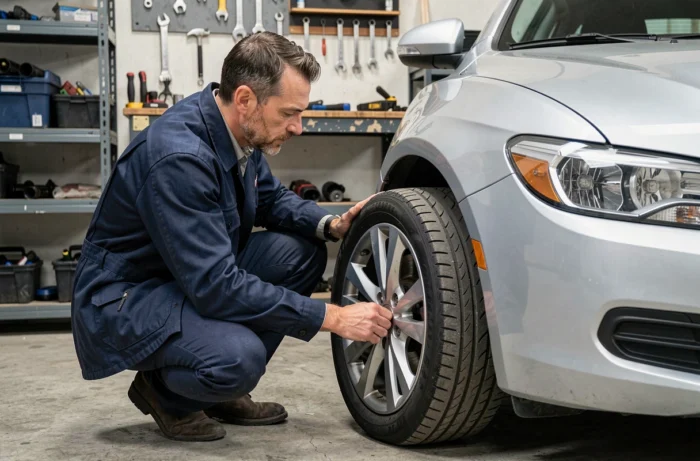
Regular visual tyre checks
A monthly check takes just a few minutes and can help you spot three types of problem before they become dangerous: uneven wear indicates a wheel alignment issue, cracks in the sidewalls point to ageing rubber, and objects embedded in the tread (nails or screws) can cause a slow puncture.
The introduction of the abrasion standard in 2028 will likely encourage manufacturers to bring more wear-resistant tyres to market, directly affecting replacement intervals. Getting ahead of this change by choosing low-abrasion tyres now can reduce how often you need to replace them and lower the overall cost.

Routine vehicle maintenance: what not to put off
Putting off an oil change or brake check by a few weeks may seem harmless. But repeatedly delaying maintenance can turn inexpensive preventive work into a major repair.
The braking system is a good example. Brake pads worn beyond their limit damage the discs, which cost several times more to replace than a set of pads. The same knock-on effect applies to the timing belt: exceeding the recommended interval by a few thousand kilometres can cause irreparable engine damage.
Schedule maintenance by mileage, not just by date
Maintenance intervals are set in kilometres or months, whichever comes first. A vehicle that is driven infrequently may rarely reach the mileage threshold, but fluids such as engine oil and brake fluid also deteriorate over time. Conversely, a vehicle used intensively may need an oil change before the scheduled date.
- Record the mileage at every fill-up to track fuel consumption and anticipate maintenance intervals
- Keep the digital or paper service record up to date, as it affects resale value and warranty coverage
- Compare quotes from independent garages and auto service centres, checking that the parts offered meet the manufacturer’s specifications
The most commonly neglected items are brake fluid, which is rarely checked between services, and the cabin air filter, whose replacement improves the air quality inside the vehicle. These are two simple, low-cost jobs that most drivers forget about until the vehicle inspection.
Vehicle maintenance in 2026 involves regulatory factors that did not exist five years ago. The Euro 7 standard when buying new, battery SOH when buying used, and upcoming tyre abrasion requirements: these three criteria are redefining what it means to choose and maintain your car well.