
An apartment with an outdated bathroom and an F-rated EPC will not sell for the same price as an equivalent property brought up to standard. Renovating your home before putting it on the market, or to increase its rental value, means choosing the right improvements—those that genuinely influence a buyer’s decision or the property’s energy rating.
EPC rating and regulatory deadlines: the factor that determines everything else
Before thinking about the kitchen or flooring, check the energy rating. Homes rated G are already subject to a rental ban, with the next deadlines applying to F- and then E-rated properties. For landlords, a poor EPC rating can make a property impossible to rent, eliminating any prospect of rental income.
For sellers, the situation is different but just as restrictive. Buyers who see an F or G rating factor in the cost of the work and negotiate the price down. Improving insulation (lofts, walls, windows) or upgrading the heating system can raise the rating by one or two bands, changing how buyers perceive the property during viewings.
You can browse renovation projects on Guide Immo to identify the improvements that directly affect a home’s energy performance.
One thing to bear in mind: changes to the EPC calculation method for homes heated by electricity may alter the rating of some properties even if no work has been done. Before starting an insulation project, make sure the current assessment reflects the latest calculation method.
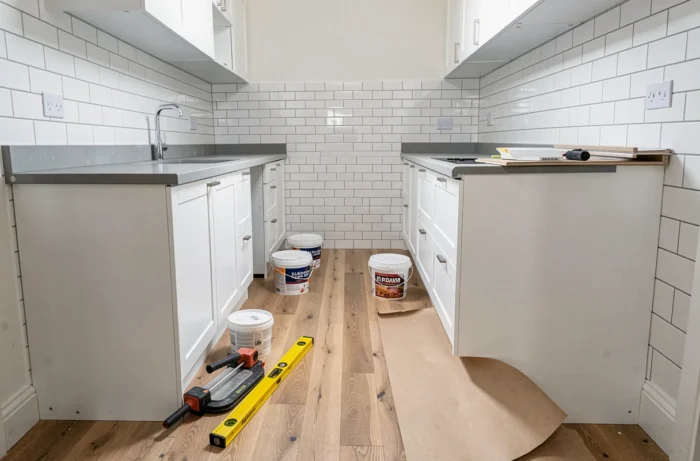
Kitchen and bathroom renovations: balancing budget and impact on the sale price
These are the two rooms buyers inspect first. A functional kitchen with a clean countertop and modern appliances inspires confidence. A bathroom with a modern shower, limescale-free taps and tiles in good condition helps avoid the usual price negotiations.
Kitchen: what can make or break a viewing
This does not mean installing a marble island. Replacing cabinet fronts, changing the countertop and fitting a new sink is enough to transform the overall impression in most cases. Buyers picture themselves using this room every day, and a dated space can create a psychological barrier that affects their offer.
If your budget is limited, painting the walls and replacing the cabinet handles can have a disproportionately large visual impact for the cost.
Bathroom: the risk of over-investing
A full bathroom renovation is expensive, and the return on investment depends largely on the property’s price range. In a city-centre apartment aimed at first-time buyers, a simple refresh—replacing the bathtub with a shower, installing a new vanity unit and redoing the grout—will meet buyers’ expectations.
Floor tiles and grout are the first things buyers inspect. A clean floor and white grout create an impression of cleanliness that new fixtures alone cannot achieve.
Flooring and paint: the best cost-to-impact ratio
Refinishing hardwood floors or installing new laminate can transform an apartment. By contrast, stained carpet or cracked tiles can immediately reduce a property’s appeal. The floor is the first thing buyers notice when they enter a room, even before they look at the walls.
- Painting all the walls white or a light colour creates a consistent look and makes rooms feel larger, at a manageable cost.
- Floating laminate flooring can be replaced without disturbing the subfloor, reducing both the project timeline and overall budget.
- Matching skirting boards create a neat finish where the wall meets the floor. When done well, this detail goes unnoticed; when missing, it stands out.
Paint and flooring offer the best way to quickly increase a property’s value for owners preparing to sell in the coming weeks. These two improvements can be completed throughout an entire apartment in just a few days.
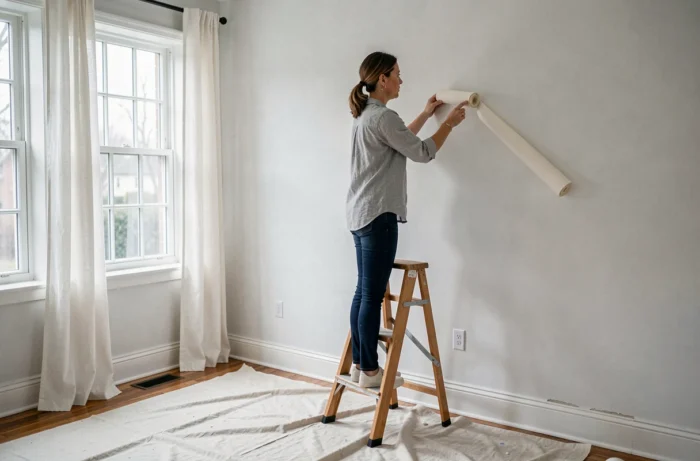
Layout and storage: make a home feel larger without adding space
Actual square footage matters, but perceived space can have just as much influence on a buyer’s decision. A cluttered hallway, poorly furnished living room or bedroom without a closet can make a home feel cramped, regardless of its actual size.
Built-in storage, such as sliding-door wardrobes in a bedroom or recessed shelving in an entryway, frees up floor space. Every square metre of built-in storage makes a home feel more spacious without changing its declared living area.
Opening up the kitchen to the living room, where the layout allows and the wall is not load-bearing, creates a more generous sense of space. This type of work requires a structural assessment beforehand, but the gains in natural light and flow often justify the investment.
Prioritising renovation work based on the type of property
Not every home needs the same improvements. A 1970s apartment in a condominium has different opportunities from a detached house with a garden. Here are the factors to consider:
- Current EPC rating: if the property is rated F or G, insulation and heating take priority over everything else, including the kitchen.
- Local market: in a high-demand area, buyers are more willing to accept imperfections. In a slower market, every detail matters when it comes to standing out.
- Type of sale: a quick sale calls for cosmetic improvements (paint, flooring and general cleaning), while a strategy focused on maximising value may justify more extensive renovation.
- Available budget: it is better to complete three improvements properly than to leave a whole renovation unfinished when viewings begin.
The return on investment from a renovation varies depending on location, property type and target buyer segment. A thorough property assessment, combined with an analysis of the local market, is the most reliable starting point before committing to any expenditure.