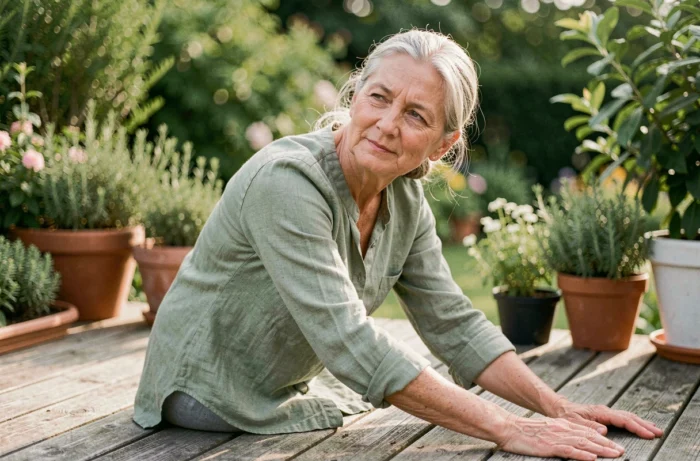
Aging well after 60 depends on physiological, social and cognitive factors whose effectiveness largely hinges on consistency. Physical activity, diet, sleep and preventive healthcare: each pillar interacts with the others. Poor sleep impairs muscle recovery, while social isolation accelerates cognitive decline. The following advice focuses on seven habits with a documented impact on health and independence.
1. Regular physical activity: the minimum effective dose after 60
Daily walking alone is not enough to maintain muscle mass. After 60, sarcopenia progresses unless resistance training is included. Combining walking, strength training and balance exercises is the functional trio to aim for each week.
In 2024, HAS published recommendations on prescribing physical activity for older people at risk of falling. The document stresses the importance of first assessing a person’s history of falls and individual risk factors before they resume activity. Tailoring intensity to each person’s needs reduces the risk of injury and makes it easier to stick with exercise over time.
A common pitfall after a fall is becoming inactive for fear of falling again. Yet stopping outings and activities altogether undermines confidence, accelerates muscle loss and reduces independence. Resuming suitable activity, even at a modest level, helps maintain the abilities needed to get around. More resources on active ageing are available in the seniors section of Vous et Votre Santé, which covers these topics from a practical perspective.
2. A balanced diet: prioritising protein, calcium and hydration
Protein needs increase after 60 to compensate for accelerated muscle breakdown. Meat, fish, eggs or legumes at every main meal are not a dietary luxury but a physiological need associated with ageing.
Older adults expend more energy than younger adults doing the same activity. Cutting calories for fear of gaining weight can lead to malnutrition, an underestimated risk after 60. Three meals a day, supplemented with snacks such as yoghurt or fruit, help maintain a regular intake.
The sensation of thirst diminishes with age. Drinking regularly—water, herbal tea or soup—without waiting until you feel thirsty is the simplest way to prevent dehydration, particularly in hot weather.
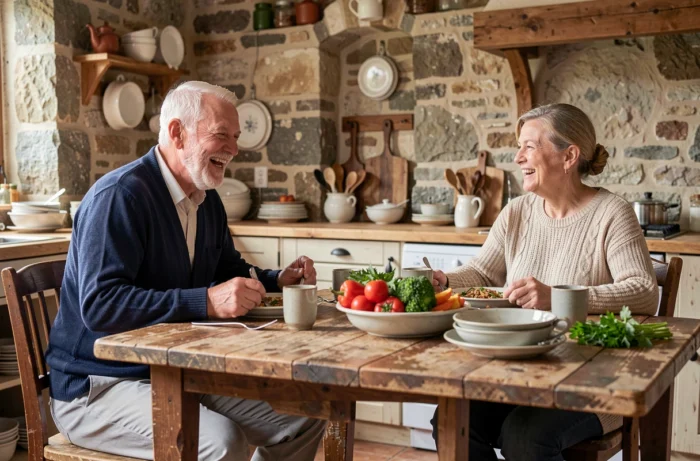
3. Maintaining social connections: a health factor in its own right
Social isolation accelerates cognitive decline and increases the risk of depression. This is not a moral judgement but a documented mechanism: social interaction activates neural circuits that nothing else can replace.
Joining an association, taking part in group activities or simply keeping in regular contact with friends and family can directly improve day-to-day wellbeing. Enjoyable group exercise—such as walking or gentle group fitness—combines social and physical benefits.
After retirement, professional networks disappear. Building a new social circle takes active effort, which many people put off. Local organisations, such as community centres, seniors’ clubs and volunteering groups, offer an accessible way to get involved.
4. Mental and cognitive health: stimulating the brain beyond crossword puzzles
Cognitive stimulation is not limited to memory games. Learning a language, taking an online course or reading about an unfamiliar subject encourages greater neural plasticity than repeating familiar exercises.
Mental health after 60 also involves managing stress and accepting physical changes. Occasional psychological support is nothing out of the ordinary and can help prevent depressive episodes that friends and family may not always notice.
- Vary the types of stimulation: reading, learning, creative activities and social interaction engage different areas of the brain
- Maintaining a daily intellectual routine, even a brief one, helps stabilise executive function
- Seek advice about unusual memory problems to distinguish an ordinary lapse from a warning sign
5. Quality sleep: understanding changes to the circadian rhythm
Sleep changes structurally after 60: periods of deep sleep become shorter and night-time awakenings more frequent. These changes are normal and do not mean that sleep is disordered.
Making up for lost sleep with long daytime naps can disrupt the circadian rhythm and make it harder to fall asleep. A short nap (fifteen to twenty minutes) in the early afternoon can still be beneficial. Longer naps can reduce the sleep pressure needed in the evening.
Getting natural light in the morning and reducing screen use in the evening help reset the body clock. These simple measures often work better than sleeping pills, which can increase the risk of night-time falls in older adults.
6. Preventive care and medical follow-up: vaccination schedule and home adaptations
Regular health checks involve more than just having your blood pressure taken. After 65, keeping vaccinations up to date is an often-overlooked preventive measure. Vaccines against flu, shingles and pneumococcal disease reduce the risk of serious complications.
Fall prevention calls for a structured approach:
- Assess previous falls and home-related risk factors (rugs, lighting, thresholds)
- Adapt the home in advance, rather than waiting for an accident—launched in 2024, MaPrimeAdapt’ funds home adaptations for loss of independence
- Review medications regularly, as some can cause dizziness or drowsiness
- Check eyesight and hearing, as declining vision and hearing directly increase the risk of falls
Taking a preventive approach to home adaptations rather than waiting for an emergency can make all the difference. Identifying risks at home and finding out about financial assistance before an incident occurs remains the most effective strategy for preserving independence at home.
7. Personal projects and commitments: giving everyday life direction
Having a project—volunteering, passing on skills, planning a trip or creating something—gives structure to your time and a concrete reason to get up in the morning. A sense of social purpose can benefit mental health in ways that purely medical approaches struggle to replicate.
Retirement frees up time, but too much unstructured time can become a source of anxiety. Planning regular commitments, however modest, helps maintain a routine that protects against withdrawal. Volunteering in particular combines social connection, cognitive stimulation and a sense of contribution.
Aging well after 60 does not require a radical transformation. Each habit on its own has a limited effect. It is their consistent combination—staying active, eating enough, sleeping well, keeping connected with others and having a sense of direction—that builds resilience to ageing over time.